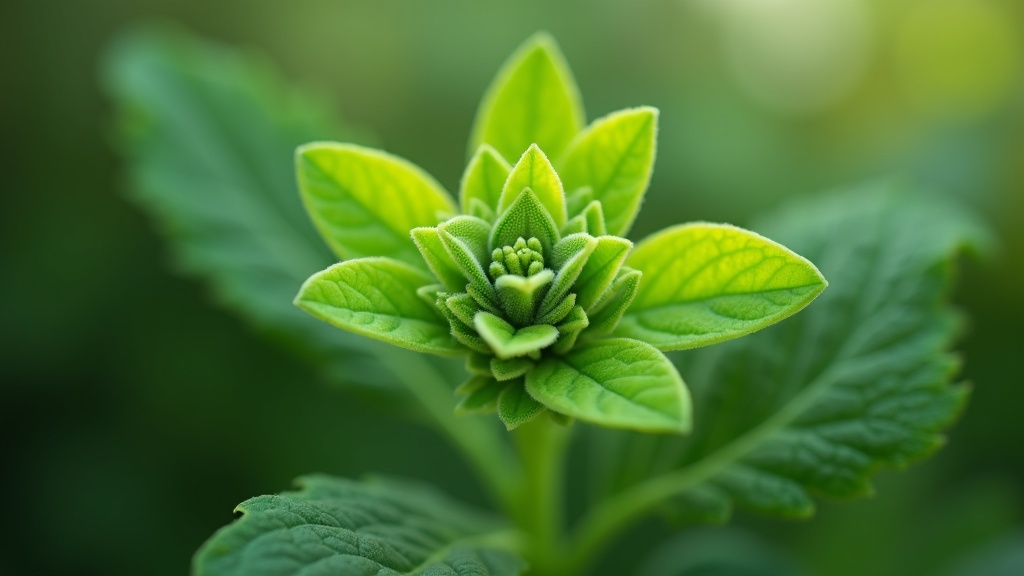
Hemlock is a highly toxic plant that poses serious risks to humans and livestock. This guide covers hemlock identification, the dangers of poisoning, and essential safety measures to prevent accidental exposure.
Table of Contents
- What is Hemlock
- How to Identify Poison Hemlock
- The Toxicity of Hemlock
- Symptoms of Hemlock Poisoning
- First Aid and Treatment
- Frequently Asked Questions
- Hemlock vs. Safe Look-Alikes
- Practical Safety Tips
- Key Takeaways
- Useful Resources
Quick Stats: Hemlock
What is Hemlock
Hemlock, scientifically known as Conium maculatum, is a highly poisonous biennial plant from the Apiaceae family. It is native to Europe and North Africa but has spread to many parts of the world, including North America, Asia, and Australia. This plant is infamous for its role in the execution of the Greek philosopher Socrates. The primary toxic agents in hemlock are piperidine alkaloids, with coniine being the most potent. As Cătălin Tatu, MD, notes, “Poison hemlock (Conium maculatum) is regarded as one of the most poisonous plants worldwide, and it can easily be misidentified as edible species” (Cureus, 2025)[1]. This misidentification is a leading cause of accidental poisoning.
How to Identify Poison Hemlock
Correct identification is the first line of defense against hemlock poisoning. The plant has several distinctive features that set it apart from harmless look-alikes. It is crucial to learn these characteristics, especially if you forage for wild edibles.
Key Features of Poison Hemlock
Poison hemlock can grow up to 8 feet tall. Its stems are smooth, hollow, and covered in distinctive purple or red spots. The leaves are finely divided and fern-like, resembling those of parsley or carrot. The plant produces small, white flowers arranged in umbrella-shaped clusters called umbels. The entire plant has a strong, unpleasant odor often described as mouse-like or musty, especially when crushed.
One of the most reliable identifying features is the presence of purple blotches on the stem. This is a key differentiator from many of its edible relatives. For a more detailed visual guide, you can explore the comprehensive plant identification resources available on Superlewis.
The Toxicity of Hemlock
All parts of the hemlock plant are poisonous. According to Tatu, “All parts of the plant are poisonous, and its toxicity is related to the age of the plant, season, and precipitation” (Cureus, 2025)[1]. The primary alkaloid, coniine, acts as a neurotoxin. It mimics the action of nicotine at first, causing stimulation, but quickly leads to a depressant effect on the central nervous system, resulting in muscle paralysis and respiratory failure.
The toxic and fatal doses are well-documented. The estimated toxic dose of coniine in humans is 60 milligrams, while the fatal dose range is between 150 and 300 milligrams (Cureus, 2025)[1]. The concentration of these alkaloids varies within the plant, with seeds and roots generally containing the highest levels. This variability means that even a small amount of the plant can be deadly.
Symptoms of Hemlock Poisoning
Symptoms of hemlock poisoning typically appear within 60 to 90 minutes of ingestion, though in some cases, the onset may be delayed up to 4 hours (Cureus, 2025)[1]. The progression of symptoms can be rapid and severe.
Early symptoms often include a burning sensation in the mouth, excessive salivation, nausea, vomiting, and abdominal pain. As the alkaloids take effect, neurological symptoms develop. These can include tremors, confusion, muscle weakness, and a lack of coordination (ataxia). The classic sign of severe poisoning is an ascending paralysis, starting in the legs and moving upward. Tatu states that “Poisoning from this plant should be a diagnostic consideration in any patient with nicotinic signs and symptoms or ascending paralysis after ingestion of plant material” (Cureus, 2025)[1].
In severe cases, the paralysis affects the respiratory muscles, leading to respiratory failure and death. The duration of symptoms varies. In mild exposures, symptoms may last only 1 to 2 hours. However, in severe intoxications, symptoms can persist for 24 to 72 hours (Cureus, 2025)[1].
First Aid and Treatment
If you suspect someone has ingested any part of a hemlock plant, it is a medical emergency. Immediate action is critical. The most important step is to call emergency services or go to the nearest hospital immediately. Do not wait for symptoms to appear.
Medical treatment is primarily supportive and focuses on managing symptoms. If the patient presents within one hour of ingestion, gastrointestinal decontamination may be considered. This can involve gastric lavage (stomach pumping) and administering activated charcoal to absorb the toxins (Cureus, 2025)[1]. Patients with severe respiratory distress will require mechanical ventilation to support their breathing until the toxins are metabolized and excreted. There is no specific antidote for hemlock poisoning.
Important Questions About Hemlock
What is the difference between poison hemlock and water hemlock?
While both are highly toxic plants from the same family, they are different species. Poison hemlock (Conium maculatum) contains coniine and has purple-spotted stems. Water hemlock (Cicuta species) contains cicutoxin, a different neurotoxin, and its stems are not spotted. Water hemlock is often considered even more poisonous, with a higher concentration of toxins in its roots.
Can you die from touching poison hemlock?
It is unlikely to die from simply touching poison hemlock. The primary route of toxicity is ingestion. However, the sap can cause severe contact dermatitis in some individuals, leading to skin irritation, blisters, and inflammation. It is always best to avoid handling the plant without gloves and to wash any exposed skin thoroughly.
What plants are commonly mistaken for poison hemlock?
Poison hemlock is frequently mistaken for several edible plants, which is a primary cause of accidental poisoning. Common look-alikes include wild carrot (Queen Anne’s lace), parsley, fennel, and anise. The key difference is the presence of purple spots on the stem of poison hemlock, which are absent on these safe plants. Also, poison hemlock has a distinct, unpleasant mousy odor.
How do you safely remove poison hemlock from your property?
Safe removal is crucial. Wear gloves, long sleeves, and eye protection. For small plants, hand-pulling can be effective, especially when the soil is moist. For larger infestations, herbicides containing glyphosate or triclopyr are effective. Always follow the manufacturer’s instructions. Bag the plants securely for disposal; do not compost them. Never burn poison hemlock, as the smoke can contain toxic alkaloids.
Hemlock vs. Safe Look-Alikes
Accurate identification is the most effective way to prevent hemlock poisoning. The following table highlights the key differences between poison hemlock and its common, non-toxic look-alikes.
| Feature | Poison Hemlock | Wild Carrot (Queen Anne’s Lace) |
|---|---|---|
| Stem | Smooth, hollow, with purple spots | Hairy, solid, no purple spots |
| Height | Up to 8 feet tall | Up to 3 feet tall |
| Odor | Strong, unpleasant, mousy | Carrot-like, pleasant |
| Flower Base | No bracts or small bracts | Prominent, three-parted bracts beneath flower umbel |
When foraging, always use multiple characteristics for identification. If you are even slightly unsure, it is safest to leave the plant alone. A useful resource for safe foraging is the foraging safety tips guide on Superlewis.
Practical Safety Tips
Prevention is the best strategy when dealing with hemlock. Here are actionable tips to keep yourself, your family, and your pets safe.
- Learn to identify it: Study the identifying features of poison hemlock, especially the purple-spotted stem. Learn the difference between hemlock and its safe look-alikes like wild carrot and parsley.
- Wear protective gear: When working in areas where hemlock might grow, wear gloves, long pants, and long sleeves. If you need to remove it, wear safety glasses and a mask to avoid sap and dust.
- Never forage without certainty: Follow the golden rule of foraging: if you are not 100% certain of a plant’s identity, do not eat it. When in doubt, throw it out.
- Supervise children and pets: Keep an eye on children and pets when they are in areas where hemlock is present. Teach children never to put unknown plants in their mouths.
- Dispose of properly: Do not compost or burn poison hemlock. Place it in heavy-duty trash bags and dispose of it with your regular garbage. For more information on safe disposal, you can refer to University of Minnesota Extension’s invasive plant management.
Key Takeaways
Hemlock is a dangerous plant that demands respect and awareness. By learning to identify its distinctive features, understanding the rapid onset of its toxic effects, and knowing how to respond in an emergency, you can significantly reduce the risk of accidental poisoning. Always remember that prevention through careful identification is your most powerful tool. For more in-depth guides on plant safety and identification, explore the resources available on Superlewis.
Useful Resources
- Acute Intoxication With Poison Hemlock (Conium maculatum). Cureus.
https://www.ncbi.nlm.nih.gov/pmc/articles/PMC12005235/
For more about Hemlock, see Hemlock.