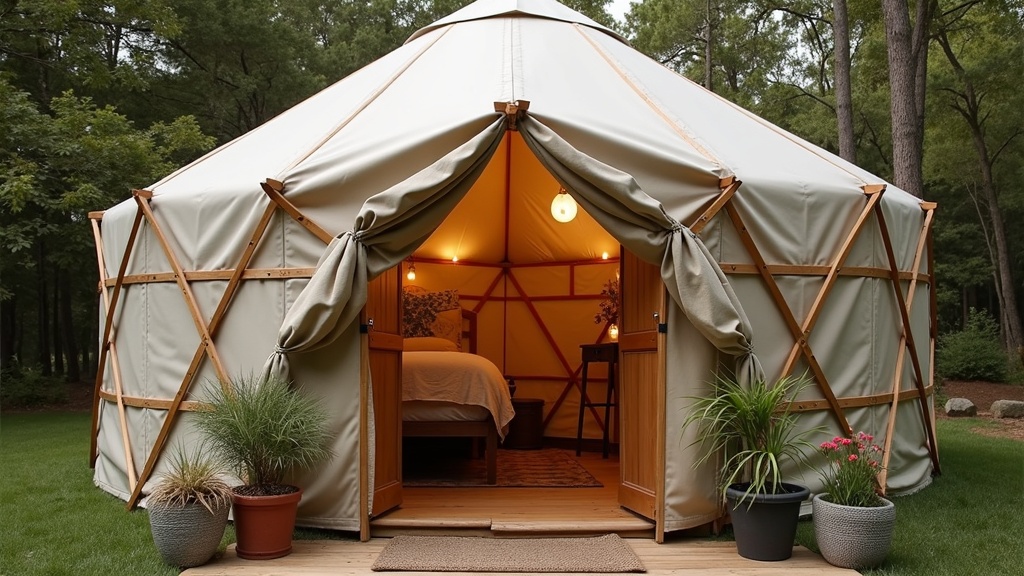
Learn everything you need to know about purchasing a yurt for camping and glamping. This guide covers types, costs, setup, and maintenance to help you choose the perfect yurt for your outdoor adventures.
Table of Contents
- What Is a Yurt?
- Types of Yurts
- Cost Factors
- Setup and Maintenance
- Frequently Asked Questions
- Comparison: Yurt vs. Other Camping Options
- Practical Tips
- Final Thoughts
- Further Reading
When you start looking into outdoor living options, the idea of purchasing a yurt quickly stands out. Yurts are round, tent-like structures originally used by nomadic peoples in Central Asia, but modern versions are built with high-quality materials like canvas, wood, and steel. They are surprisingly spacious, easy to heat, and can be set up on almost any flat piece of land. Whether you want a weekend getaway spot or a full-time home, a yurt offers a unique living experience that blends comfort with nature. This guide covers everything from yurt types and costs to setup and maintenance, so you can make an informed decision.
What Is a Yurt?
A yurt is a portable, round tent traditionally used by nomads in Mongolia and other parts of Central Asia. Modern yurts are built with a wooden lattice frame, insulated fabric walls, and a domed roof with a central opening for light and ventilation. When purchasing a yurt, you are buying a structure that is both sturdy and lightweight. Most yurts can withstand strong winds and heavy snow loads when properly anchored. They are popular for glamping resorts, backyard studios, and even permanent homes. The design allows for excellent air circulation and natural light, making them comfortable in various climates.
Yurt Anatomy and Materials
A typical yurt consists of a lattice wall, roof poles, a compression ring at the top, and a cover made of canvas or vinyl. The frame is usually made from kiln-dried wood, while the cover can be treated for waterproofing and UV resistance. Insulation options include felt, foam, or reflective barriers. When purchasing a yurt, consider the quality of these materials, as they affect durability and comfort. High-end yurts use marine-grade canvas and stainless steel hardware, which can last for decades with proper care.
Common Uses for Yurts
Yurts are incredibly versatile. Many people use them as guest houses, art studios, yoga spaces, or full-time residences. In the glamping industry, yurts are a top choice because they offer more space and comfort than tents while still providing an immersive outdoor experience. If you are purchasing a yurt for commercial use, look for models that meet local building codes and have fire-resistant materials. Some yurts are designed to be seasonal, while others are built for year-round living with proper insulation and a wood stove.
Types of Yurts
When purchasing a yurt, you will encounter several types based on size, materials, and intended use. The most common are traditional canvas yurts, modern insulated yurts, and luxury glamping yurts. Each has its own advantages and price points.
Canvas Yurts
Canvas yurts are the most traditional and affordable option. They use a single layer of treated cotton or polyester canvas stretched over a wooden frame. These are lightweight, easy to set up, and breathable, making them ideal for warm-weather camping. However, they may require additional insulation for cold climates. If you are purchasing a yurt for summer glamping, a canvas model is a great starting point.
Insulated Yurts
For year-round use, insulated yurts are the way to go. They feature multiple layers of fabric, often with a reflective radiant barrier and foam or wool insulation. These yurts can be heated with a small wood stove or propane heater and stay cool in summer. The added weight and complexity mean a higher price, but the comfort level is significantly better. Many people purchasing a yurt for full-time living choose an insulated model.
Luxury Glamping Yurts
Luxury yurts come with built-in flooring, windows with screens, and even interior partitions. They are designed for commercial glamping operations where guests expect hotel-like amenities. These yurts often include electrical wiring, plumbing for a bathroom, and custom interior finishes. While expensive, they offer the highest return on investment for a glamping business. If you are purchasing a yurt for a resort, look for models that comply with local tourism regulations.
Cost Factors When Purchasing a Yurt
The price of a yurt can range from a few thousand dollars for a basic model to over $50,000 for a fully equipped luxury unit. Several factors influence the cost, including size, materials, insulation, and customization. Understanding these factors helps you budget effectively.
Size and Diameter
Yurts are measured by diameter, typically ranging from 12 feet to 30 feet or more. A 16-foot yurt is a popular choice for a small cabin-like space, while a 24-foot yurt can accommodate a family. Larger diameters require more materials and a stronger frame, which increases the price. When purchasing a yurt, think about how you plan to use the space. A 12-foot yurt might be perfect for a single guest room, but a 20-foot model is better for living and sleeping areas combined.
Materials and Insulation
The quality of the canvas, wood, and hardware directly affects the price. Marine-grade canvas with UV protection costs more but lasts longer. Insulation packages add 20-30% to the base price. Some companies offer DIY kits where you assemble the yurt yourself, which can save money on labor. However, professional installation is recommended for larger yurts to ensure structural integrity.
Customization and Extras
Many yurt manufacturers offer options like windows, skylights, door upgrades, and flooring. You can also add a wood stove kit, electrical package, or rain fly. Each add-on increases the total cost. If you are purchasing a yurt for a glamping site, consider extras that enhance guest comfort, such as screened windows and a locking door. Keep in mind that shipping costs can be significant, especially for large yurts.
Setup and Maintenance
Setting up a yurt requires a flat, level platform. Most yurts are installed on a wooden deck or concrete pad. The process involves assembling the lattice wall, attaching roof poles, and securing the cover. A team of two to four people can set up a small yurt in a day, while larger models may take several days. When purchasing a yurt, factor in the cost of site preparation and installation.
Site Preparation
The foundation is critical for a stable yurt. A wooden platform with pressure-treated lumber is common, but you can also use gravel or concrete. The site should be well-drained and level. Some yurt owners build a raised deck to improve ventilation and prevent moisture damage. If you plan to use the yurt year-round, consider adding insulation under the floor.
Maintenance Tips
Yurts require regular maintenance to stay in good condition. The canvas cover should be cleaned and waterproofed annually. Check the lattice frame for signs of rot or insect damage, especially in humid climates. The compression ring at the top should be inspected for cracks. If you are purchasing a yurt for a rental business, create a maintenance schedule to extend its lifespan. Most quality yurts last 10-20 years with proper care.
Frequently Asked Questions
Do I need a permit to set up a yurt?
Yes, in most areas you need a building permit to install a yurt, especially if it will be used as a permanent dwelling. Zoning laws vary by county and state. Some regions classify yurts as temporary structures, while others treat them as accessory dwellings. Before purchasing a yurt, check with your local planning department to understand the requirements. In some cases, you may need to meet specific setback and foundation standards.
Can a yurt withstand snow and wind?
Modern yurts are engineered to handle significant snow loads and high winds. A well-built yurt with a sturdy frame and proper anchoring can withstand snow depths of several feet and winds up to 80-100 mph. The round shape deflects wind efficiently, and the central compression ring distributes weight evenly. When purchasing a yurt for a snowy area, look for models with reinforced roof poles and a heavy-duty cover.
How do I heat and cool a yurt?
Yurts are surprisingly easy to heat. A small wood stove is the most common heating method, as it provides warmth and a cozy atmosphere. Propane heaters and electric space heaters are also options. For cooling, yurts benefit from natural ventilation through the central roof opening and side windows. In hot climates, a reflective cover and shade structure can reduce interior temperatures. Some yurt owners install a mini-split air conditioner for precise temperature control.
What is the lifespan of a yurt?
With proper maintenance, a high-quality yurt can last 10 to 20 years or more. The canvas cover typically needs replacement every 8-12 years, depending on sun exposure and weather conditions. The wooden frame can last much longer if kept dry and treated against pests. When purchasing a yurt, ask the manufacturer about warranty and replacement parts availability. Investing in a premium model with marine-grade materials will extend its lifespan significantly.
Comparison: Yurt vs. Other Camping Options
When deciding on outdoor accommodation, it helps to compare yurts with other popular options like tents, cabins, and RVs. Each has its own strengths, but yurts offer a unique balance of comfort, portability, and connection to nature. The table below summarizes the key differences.
| Feature | Yurt | Tent | Cabin | RV |
|---|---|---|---|---|
| Setup Time | 1-3 days | 30 minutes | Weeks to months | Immediate |
| Cost (Entry) | $3,000-$50,000 | $50-$500 | $10,000-$100,000+ | $10,000-$200,000+ |
| Comfort | High | Low to Medium | Very High | High |
| Portability | Moderate | High | None | High |
| Lifespan | 10-20 years | 1-5 years | 30+ years | 10-20 years |
| Connection to Nature | Excellent | Excellent | Moderate | Low |
Practical Tips for Yurt Owners
Once you have decided on purchasing a yurt, follow these actionable tips to get the most out of your investment. First, always start with a solid foundation. A well-built deck or concrete pad prevents moisture damage and makes assembly easier. Second, invest in a quality rain fly to protect the canvas from prolonged exposure to rain and UV rays. Third, consider adding a wood stove with a proper chimney kit for year-round use. Fourth, use weather stripping around the door and windows to improve insulation. Fifth, plan for ventilation by keeping the roof dome open on dry days to prevent condensation buildup. Finally, join online yurt communities to learn from experienced owners about maintenance hacks and customization ideas.
For more about Purchasing a yurt, see explore purchasing a yurt in depth.
Final Thoughts on Purchasing a Yurt
Purchasing a yurt is a rewarding decision that opens up a world of outdoor living possibilities. Whether you want a cozy weekend retreat or a profitable glamping site, a yurt offers durability, comfort, and a unique aesthetic that blends beautifully with nature. Take your time to research manufacturers, compare materials, and plan your site. With the right preparation, your yurt will provide years of enjoyment.
Further Reading
- Yurt Info. Yurt Living Guide.
https://www.yurtinfo.org