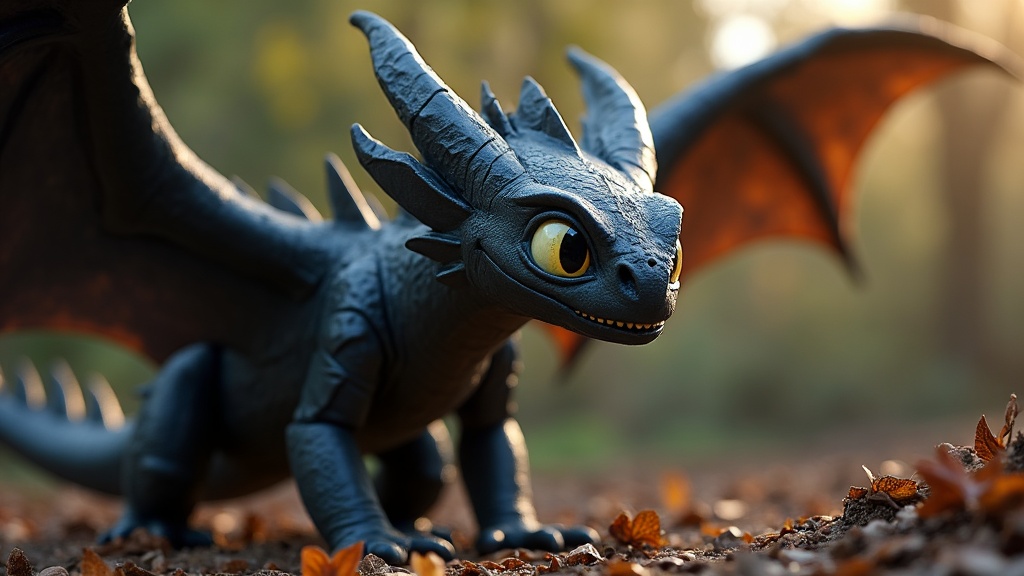
Discover the world of How to Train Your Dragon, from the original book series to the blockbuster films and the upcoming live-action adaptation. This guide explores the story’s themes, characters, and cultural impact, providing everything you need to know about this beloved franchise.
Table of Contents
- The Books and Films of How to Train Your Dragon
- Themes and Storytelling in How to Train Your Dragon
- The Franchise and Its Cultural Impact
- The Live-Action Adaptation of How to Train Your Dragon
- Frequently Asked Questions
- Comparing the Book and Film Series
- Practical Tips for Exploring the Franchise
- Final Thoughts
Article Snapshot: How to Train Your Dragon is a multi-platform franchise that began with Cressida Cowell’s book series and was catapulted to global fame by DreamWorks Animation’s film trilogy. At its core, it is a story about empathy, bravery, and challenging tradition. This guide covers the books, films, television series, and the upcoming live-action movie, exploring why the story of Hiccup and Toothless continues to resonate with audiences worldwide.
By the Numbers
- The original 2010 animated film grossed over $494.9 million worldwide (Box Office Mojo by IMDbPro, 2024).[1]
- The film trilogy earned approximately $1.64 billion in combined worldwide box office revenue (Box Office Mojo by IMDbPro, 2024).[1]
- The first film holds a 99 percent critics’ approval rating on Rotten Tomatoes (Rotten Tomatoes, 2024).[2]
- The franchise generated more than $2.5 billion in global retail sales and consumer products revenue by 2024 (NBCUniversal / DreamWorks Animation corporate overview, 2024).[3]
The Books and Films of How to Train Your Dragon
The journey of How to Train Your Dragon began not on the big screen, but on the page. Author Cressida Cowell published the first book in her series in 2003. The book series consists of 12 main novels published between 2003 and 2015 (Hachette Children’s Group, 2024).[4] Cowell’s stories introduced readers to a young Viking named Hiccup Horrendous Haddock III, a small and unassuming boy living on the island of Berk. His world is one where dragons are feared and fought, but Hiccup’s path diverges when he refuses to kill a wounded dragon, instead choosing to understand it. This decision sets the stage for a narrative that prioritizes communication over combat. As of early 2025, the books had been translated into more than 40 languages worldwide (Cressida Cowell official author page, 2025).[5]
While the books laid the foundation, it was the 2010 animated film adaptation by DreamWorks Animation that turned the story into a global phenomenon. Directed by Dean DeBlois and Chris Sanders, the first film took significant creative liberties with the source material, streamlining the plot and character designs for a broader audience. The film was a critical and commercial triumph, grossing over $494.9 million at the worldwide box office (Box Office Mojo by IMDbPro, 2024).[1] Its success spawned two sequels – How to Train Your Dragon 2 (2014) and How to Train Your Dragon: The Hidden World (2019) – which together with the original earned approximately $1.64 billion in combined worldwide box office revenue (Box Office Mojo by IMDbPro, 2024).[1] The animated franchise also expanded into television, with the Netflix series Dragons: Race to the Edge producing 78 episodes across six seasons between 2015 and 2018 (Netflix Media Center, 2024).[6]
Key Characters in the Story
Central to the appeal of How to Train Your Dragon are its characters. Hiccup is a protagonist who wins not through strength, but through intellect and compassion. His dragon, Toothless, a Night Fury, is more than a pet; he is a partner and a mirror of Hiccup’s own isolation. The supporting cast, including the fierce Astrid, the stoic Stoick the Vast, and the quirky Gobber the Belch, provide a rich backdrop for the story’s exploration of community and change. The narrative arc across the three films follows Hiccup’s growth from an outcast to a leader who redefines what it means to be a Viking.
Themes and Storytelling in How to Train Your Dragon
The enduring power of How to Train Your Dragon lies in its thematic depth. At its heart, the story is a profound exploration of empathy and the courage to challenge deeply held beliefs. As writer and director Dean DeBlois explained, it is a story about a boy who challenges his tribe’s fear of the unknown and discovers that what they thought was a monster is actually a friend (Hollywood Reporter, 2024).[7] This central theme of overcoming prejudice through understanding is what elevates the franchise beyond a simple children’s adventure.
Author Cressida Cowell has also spoken about the personal and emotional core of her work. She wrote the series as a reminder that small, anxious, apparently powerless children can change the world – not by being the toughest warrior, but by being kind, imaginative and brave enough to do things differently (Guardian, 2025).[8] This message resonates with a wide audience, validating the experiences of those who feel like outsiders. The films masterfully translate this message into visual storytelling, using the bond between Hiccup and Toothless as a constant emotional anchor. The animation, particularly the flight sequences, conveys a sense of freedom and joy that has become a signature of the franchise.
The narrative structure of the trilogy also follows a classic coming-of-age arc. Hiccup’s journey is not just about taming dragons; it is about finding his own voice and place in the world. The first film deals with self-discovery and friendship. The second film explores responsibility and loss, as Hiccup must step up to lead his people. The final film tackles the difficult theme of letting go for the greater good. This progression gives the series a satisfying emotional weight that rewards viewers who have grown up with the characters. The story’s success is a testament to the power of combining big-scale fantasy with a very personal coming-of-age journey (DreamWorks Animation, 2025).[9]
The Franchise and Its Cultural Impact
The influence of How to Train Your Dragon extends far beyond the box office. The franchise has become a cornerstone of modern animation and a major commercial property for DreamWorks. By 2024, the franchise had generated more than $2.5 billion in global retail sales and consumer products revenue (NBCUniversal / DreamWorks Animation corporate overview, 2024).[3] This includes toys, video games, clothing, and other merchandise that have kept the world of Berk present in the lives of fans.
The franchise’s cultural impact is also evident in its critical reception. The first film holds a 99 percent critics’ approval rating on Rotten Tomatoes (Rotten Tomatoes, 2024),[2] a rare achievement that places it among the most acclaimed animated films of all time. This critical success helped to legitimize computer-animated storytelling as a medium for serious, emotionally resonant drama. The film’s score, composed by John Powell, is also widely celebrated and is often cited as one of the best in modern animated cinema.
Beyond the screen, the franchise has expanded into live experiences. The How to Train Your Dragon Live Spectacular arena show toured to more than 20 cities worldwide during its original run, reaching hundreds of thousands of attendees (DreamWorks Theatricals, 2024).[10] These live events demonstrate the tactile, physical appeal of the dragons and the world of Berk. They also highlight the story’s universal themes, which translate easily into a live, communal experience. For those looking to understand the full scope of the franchise, exploring these different formats provides a richer appreciation of its artistry. For more insights into the business of entertainment franchises, see this analysis of major media properties.
The Live-Action Adaptation of How to Train Your Dragon
The most anticipated development in the franchise is the upcoming live-action film, scheduled for release in 2025. This new adaptation, produced by Universal Pictures, aims to bring the story of Hiccup and Toothless to life with a new level of realism. Producer Marc Platt has stated that the live-action version is about honoring what audiences love – the relationship between Hiccup and Toothless – while grounding Berk and its dragons in a reality that feels tactile, epic, and emotionally immediate (Variety, 2025).[11] The film has a reported production budget of around $150 million (Variety, 2025).[12]
Casting for the film has also generated significant interest. Mason Thames will play the lead role of Hiccup. He has commented that what he loves about the character is that he is not the classic Viking hero – he wins by listening, by paying attention to Toothless, and that makes the story feel surprisingly modern even though it is set in a mythic, Viking world (NBCUniversal, 2025).[13] This casting choice suggests that the live-action film will stay true to the core themes of the original story, focusing on intelligence and empathy over brute strength.
The decision to create a live-action version of a beloved animated classic is a significant trend in Hollywood. While some fans are skeptical, the creative team behind this project has emphasized their respect for the source material. The goal is not to replace the animated films, but to offer a new interpretation that can introduce the story to a new generation. The visual effects will be crucial, as the dragons – especially Toothless – must be rendered with enough personality and emotion to carry the film’s dramatic weight. The success of this adaptation will likely depend on how well it balances nostalgia with fresh storytelling. For a deeper look at how classic stories are being reimagined, you can read this article on modern film adaptations.
Important Questions About How to Train Your Dragon
What is the correct order to watch the How to Train Your Dragon movies and TV shows?
The recommended viewing order for the main animated story is: How to Train Your Dragon (2010), followed by the TV series Dragons: Riders of Berk and Dragons: Defenders of Berk, then the Netflix series Dragons: Race to the Edge (78 episodes across six seasons). After that, watch How to Train Your Dragon 2 (2014), and finally How to Train Your Dragon: The Hidden World (2019). The new live-action film, slated for 2025, is a standalone adaptation and can be watched separately.
How different is the How to Train Your Dragon book series from the movies?
The books and movies are significantly different in plot, character, and tone. The book series by Cressida Cowell consists of 12 main novels and is more episodic, humorous, and features a much younger Hiccup. The dragons in the books can talk, and the world is more fantastical. The movies, particularly the first film, take the core concept of a boy who befriends a dragon and build a more streamlined, epic narrative around it. The characters are older, the dragons do not speak, and the plot is a focused three-act structure. Both versions are excellent but offer very different experiences.
What are the main themes of How to Train Your Dragon?
The central theme of How to Train Your Dragon is empathy. The story champions the idea that understanding and communication are more powerful than violence. It explores the courage it takes to challenge tradition and prejudice, as Hiccup must go against the beliefs of his entire Viking tribe. Other major themes include the bond between humans and animals, the journey from childhood to adulthood (coming-of-age), and the importance of finding one’s own identity. The series also deals with loss, leadership, and the difficult decision to let go of something you love for its own good.
Will there be a fourth How to Train Your Dragon movie?
As of now, there are no official plans for a fourth animated film in the main trilogy. Director Dean DeBlois has stated that The Hidden World was intended to be the conclusion of Hiccup and Toothless’s story. However, the franchise is continuing in other forms. The live-action adaptation of the first film is set for release in 2025, and there is potential for it to continue as its own series. DreamWorks has also indicated that the franchise remains a key part of its future strategy, leaving the door open for spin-offs, TV specials, or other projects.
Comparing the Book and Film Series
One of the most common questions for new fans is how the books compare to the films. While both share the same core idea, they are distinct works of art that appeal in different ways. The table below outlines the key differences to help you decide where to start.
| Feature | Book Series (by Cressida Cowell) | Film Trilogy (by DreamWorks Animation) |
|---|---|---|
| Number of Main Installments | 12 novels | 3 feature films |
| Tone | Comedic, episodic, with footnotes and asides | Epic, dramatic, with a clear emotional arc |
| Hiccup’s Age | Young child (around 7-10 years old) | Teenager (around 15-20 years old) |
| Dragons | Can talk; are more like intelligent animals | Cannot talk; communicate through body language and sounds |
| Plot Structure | Loose, adventure-of-the-week style | Tight three-act structure with a singular antagonist |
| Target Audience | Middle-grade readers (ages 7-12) | Family audiences (all ages) |
Practical Tips for Exploring the Franchise
Whether you are a newcomer or a long-time fan, there are many ways to deepen your appreciation of How to Train Your Dragon. Here are some actionable tips to get the most out of the franchise.
Start with the source material. Even if you have seen the movies, reading Cressida Cowell’s original books provides a fascinating contrast. The first book is a quick, fun read and gives you a deeper understanding of the characters’ origins. The series is also a great choice for young readers who enjoy adventure and humor. For fans looking to explore other aspects of the story’s creation, a resource for animation news and history can provide context on the filmmaking process.
Watch the television series. The TV shows, particularly Dragons: Race to the Edge, are not just filler content. They expand the world of Berk significantly, introducing new dragon species and developing the supporting characters like Astrid, Fishlegs, and the twins. Watching the series between the second and third films enhances the emotional payoff of the finale. The 78 episodes provide hours of additional content that feels consistent with the movies’ quality.
Engage with the community. The How to Train Your Dragon fandom is one of the most passionate and creative online. Joining forums, fan art groups, or discussion pages can enhance your experience. Fans often share detailed analyses of the films’ themes, theories about the dragon species, and behind-the-scenes trivia. This community engagement can turn a passive viewing experience into an active exploration of the story’s deeper meanings.
Final Thoughts on How to Train Your Dragon
The story of How to Train Your Dragon has proven to be much more than a fleeting children’s fad. It is a modern myth that speaks to the power of empathy, the courage to be different, and the profound bonds that can form between beings who are taught to be enemies. From the original books to the acclaimed film trilogy and the promising live-action adaptation, the franchise has consistently delivered stories that are both thrilling and emotionally intelligent. Its success is a testament to the universal appeal of a simple, beautiful idea: that understanding is always better than fighting. To learn more about the enduring appeal of this and other major franchises, be sure to explore the other articles on superlewis.
Further Reading
- How to Train Your Dragon (2010) – Box Office. Box Office Mojo by IMDbPro.
https://www.boxofficemojo.com/title/tt0892769/ - How to Train Your Dragon – Rotten Tomatoes. Rotten Tomatoes.
https://www.rottentomatoes.com/m/how_to_train_your_dragon - Exploring the History of How to Train Your Dragon. NBCUniversal.
https://www.nbcuniversal.com/article/exploring-history-how-train-your-dragon - How to Train Your Dragon Books. Hachette Children’s Group.
https://www.hachettechildrens.co.uk/landing-page/hachette-childrens-group/how-to-train-your-dragon-books-cressida-cowell/ - How to Train Your Dragon Series – Cressida Cowell. Cressida Cowell official author page.
https://www.cressidacowell.co.uk/books/how-to-train-your-dragon-series - Dragons: Race to the Edge. Netflix Media Center.
https://media.netflix.com/en/only-on-netflix/80039394 - Dean DeBlois on the Enduring Appeal of How to Train Your Dragon. Hollywood Reporter.
https://www.hollywoodreporter.com/movies/movie-news/how-to-train-your-dragon-dean-deblois-interview-1236096521 - Cressida Cowell Reflects on 20 Years of How to Train Your Dragon. The Guardian.
https://www.theguardian.com/books/2025/feb/20/cressida-cowell-how-to-train-your-dragon-anniversary-interview - DreamWorks Outlines the Future of the How to Train Your Dragon Franchise. Deadline.
https://deadline.com/2025/01/dreamworks-how-to-train-your-dragon-franchise-future-1236078123 - How to Train Your Dragon Live Spectacular. DreamWorks Theatricals.
https://www.dreamworks.com/how-to-train-your-dragon/live-spectacular - Inside Universal’s Live-Action How to Train Your Dragon. Variety.
https://variety.com/2025/film/news/how-to-train-your-dragon-live-action-remake-cast-director-1235928471 - How to Train Your Dragon Live-Action Budget. Variety.
https://variety.com/2025/film/news/how-to-train-your-dragon-live-action-budget-cast-1235928471 - Cast of How to Train Your Dragon on Bringing Berk to Life in Live Action. NBCUniversal.
https://www.nbcuniversal.com/article/exploring-history-how-train-your-dragon
For more about How to train ai models, see How To Train Ai Models.