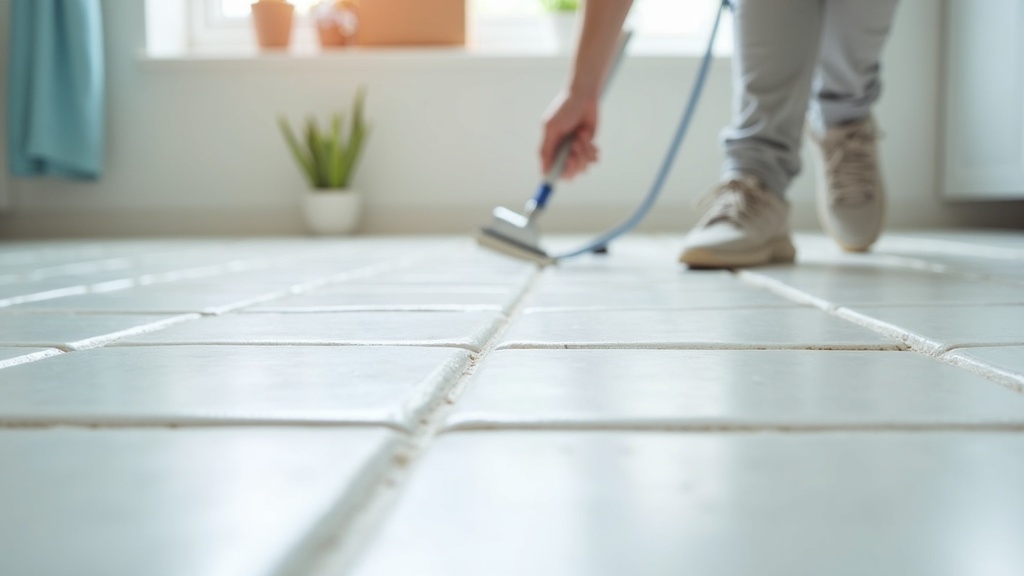
Grout cleaning is a critical maintenance task that preserves the integrity and appearance of tiled surfaces in both residential and industrial settings. This article explores professional methods, cost considerations, and best practices for maintaining grout joints in environments ranging from home bathrooms to mining tunnels.
Table of Contents
- What Is Grout Cleaning?
- Professional Grout Cleaning Methods
- Cost Factors for Grout Cleaning Services
- DIY vs. Professional Grout Cleaning
- Frequently Asked Questions
- Comparison of Grout Cleaning Approaches
- Practical Tips for Grout Maintenance
- Key Takeaways
- Useful Resources
Quick Summary: Grout cleaning is the process of removing dirt, mold, and mineral deposits from cementitious joints between tiles. Professional methods using steam, alkaline cleaners, and suction equipment deliver superior results. Regular maintenance every 12 to 18 months prevents permanent staining and extends the life of grout in both home and industrial settings.
Quick Stats: Grout Cleaning
- The global grout cleaning equipment market is valued at USD 1.27 billion in 2024 and is projected to reach USD 1.84 billion by 2030, growing at a CAGR of 6.3% (Strategic Market Research, 2024)[1].
- Professional tile and grout cleaning in the U.S. typically costs between $0.50 and $3.00 per square foot (Angi, 2026)[2].
- The national average cost range for grout cleaning projects reported by Thumbtack is $320 to $764, with most people paying around $491 (Thumbtack, 2026)[3].
Introduction
Grout cleaning is often overlooked until visible staining or mold growth becomes impossible to ignore. Whether in a residential bathroom, a commercial kitchen, or an industrial mining facility, grout joints are porous and vulnerable to absorbing dirt, oils, and moisture. Neglecting this maintenance can lead to permanent discoloration, structural weakening of the grout, and even health concerns from mold proliferation. This article provides a comprehensive overview of professional grout cleaning methods, cost expectations, and practical strategies for keeping grout in optimal condition. For those exploring class a cdl training or other career paths, understanding maintenance trades like grout cleaning can offer valuable service industry knowledge.
What Is Grout Cleaning?
Grout cleaning is the systematic removal of contaminants from the porous cementitious material that fills the joints between tiles. In residential settings, this typically involves bathroom and kitchen surfaces, while industrial applications, such as those found in mining and tunneling operations, require specialized techniques for heavy-duty grout maintenance. The process addresses embedded dirt, soap scum, mineral deposits, and biological growth like mold and mildew.
The Challenge of Porous Grout
Grout is inherently porous because it is made from a mixture of cement, sand, and water. This porosity allows liquids and dirt to penetrate below the surface, making grout cleaning more complex than simply wiping a non-porous surface. Professional grout cleaning services use specialized equipment to extract contaminants from deep within the joint, rather than just cleaning the surface. As noted by Marino, a professional tile and grout cleaner interviewed by Architectural Digest, “The best method for cleaning grout is to apply the cleaner, let it work, and then shop-vac up the dirty water. That suction lifts the dirt out of the joint instead of letting it soak back into the grout”[4].
Why Regular Cleaning Matters
Regular grout cleaning prevents the accumulation of contaminants that can cause permanent staining. In humid environments, such as Singapore’s climate, moisture and mold growth can quickly turn light-colored joints dark and unhygienic. Sureclean Singapore, a professional cleaning company, notes that “In Singapore’s humid climate, grout should be professionally cleaned every 6 to 12 months because moisture and mold growth can quickly turn light-colored joints dark and unhygienic”[5]. For industrial applications, such as those involving grout in mining tunnels, regular cleaning is essential to maintain structural visibility and hygiene standards.
Professional Grout Cleaning Methods
Professional grout cleaning employs a range of techniques that are more effective than standard household methods. These approaches are designed to remove deep-seated dirt without damaging the tile or the grout joints themselves.
Steam Cleaning
Steam cleaning is one of the most common professional methods. High-temperature steam is applied to the grout lines, which loosens dirt, kills mold and bacteria, and sanitizes the surface. The steam is typically combined with a vacuum system that extracts the dirty water, preventing it from re-entering the porous grout. Steam cleaning of grout generally costs between $0.50 and $3.50 per square foot (Angi, 2026)[2]. This method is particularly effective for industrial settings where chemical use may be restricted.
Chemical Cleaning
Professional-grade chemical cleaners are another option. Alkaline cleaners are preferred for most residential applications because they are effective on organic stains like grease and food residue without being too harsh on the grout. Marino advises that “Leave strong acidic cleaners to the professionals; for most homeowners, an alkaline cleaner is safer and more effective for tough grout stains without damaging the tile or the cementitious joints”[4]. Acidic cleaners may be used in industrial contexts for mineral deposit removal but require careful application.
Agitation and Extraction
Many professional services use rotary brushes or scrubbers to agitate the cleaning solution into the grout before extraction. This mechanical action, combined with chemical cleaning and suction, ensures that contaminants are fully loosened and removed. This multi-step process is the gold standard for grout cleaning in both residential and commercial environments.
Cost Factors for Grout Cleaning Services
The cost of professional grout cleaning varies based on several factors, including the size of the area, the level of soiling, and the cleaning method used. Understanding these costs helps homeowners and facility managers budget appropriately.
Average Costs
According to HomeAdvisor, the average cost for professional tile and grout cleaning for a typical home in the United States is about $480 (HomeAdvisor, 2025)[6]. Most homeowners pay between $285 and $676, with small or lightly soiled jobs starting around $150 and heavily soiled or large projects reaching up to $1,160 (HomeAdvisor, 2025)[6]. Thumbtack reports a similar national average of around $491 (Thumbtack, 2026)[3].
Cost Per Square Foot
Pricing is often quoted on a per-square-foot basis. Professional tile and grout cleaning in the U.S. typically costs between $0.50 and $3.00 per square foot (Angi, 2026)[2]. Grout-only cleaning ranges from $0.75 to $1.25 per square foot, while cleaning and sealing tile and grout flooring together ranges from $0.75 to $5.00 per square foot (Angi, 2026)[2]. Hiring a professional cleaner typically costs between $30 and $50 per hour in labor (Angi, 2026)[2].
Factors Influencing Cost
The condition of the grout significantly impacts pricing. Heavily soiled grout requires more time, stronger chemicals, and additional extraction passes. The type of tile also matters; delicate materials like natural stone require gentler cleaning methods that may be more expensive. Accessibility is another factor, as tight spaces or high ceilings can increase labor time.
DIY vs. Professional Grout Cleaning
Homeowners often debate whether to tackle grout cleaning themselves or hire a professional. Both approaches have merits, but the choice depends on the severity of the soiling, the size of the area, and the desired outcome.
DIY Methods
DIY grout cleaning typically involves store-bought cleaners, baking soda and vinegar pastes, or steam mops. These methods can be effective for light maintenance and small areas. However, they often fail to extract contaminants from deep within the porous grout, leading to quick re-soiling. The r/Tile community contributor notes that “Unsealed grout will be an endless losing battle. Deep clean once, seal it tight, and maintain that seal. The seal is everything to keeping things effort free on cleaning”[7]. This highlights that DIY cleaning alone is insufficient without proper sealing.
Professional Advantages
Professional services offer specialized equipment, including truck-mounted steam cleaners and industrial-grade extractors, that provide a deeper clean. They also have access to professional-strength cleaners and can apply sealants that protect the grout for months or years. Richard F. Harty, President and Owner of The Grout Specialist, recommends that “For most homes, scheduling professional grout cleaning once every 12 to 18 months is a great preventative measure that keeps staining, discoloration, and deep-set dirt from becoming permanent problems”[8]. For industrial applications, such as those involving grout in mining tunnels, professional cleaning is often the only viable option due to the scale and specific requirements.
When to Hire a Professional
If grout is heavily stained, moldy, or has not been cleaned in several years, professional grout cleaning is recommended. Attempting to clean severely soiled grout with DIY methods can sometimes push dirt deeper into the pores or damage the grout structure. For those interested in learning more about related maintenance skills, exploring class b cdl training can open doors to careers in logistics that support service industries.
Important Questions About Grout Cleaning
How often should I have professional grout cleaning done?
For most homes, scheduling professional grout cleaning once every 12 to 18 months is recommended as a preventative measure. This frequency keeps staining, discoloration, and deep-set dirt from becoming permanent problems. In humid climates, such as Singapore, the interval should be shortened to every 6 to 12 months because moisture and mold growth can quickly turn light-colored joints dark and unhygienic. For industrial settings like mining tunnels, more frequent cleaning may be necessary depending on usage and environmental conditions.
What is the best method for cleaning grout?
The most effective method for cleaning grout involves applying a cleaner, letting it work, and then using a shop-vac or professional extractor to suction up the dirty water. This suction lifts the dirt out of the joint instead of letting it soak back into the grout. For most homeowners, an alkaline cleaner is safer and more effective for tough grout stains without damaging the tile or the cementitious joints. Strong acidic cleaners should be left to professionals, as they can damage both tile and grout if misapplied.
How much does professional grout cleaning cost?
The average cost for professional tile and grout cleaning for a typical home in the United States is about $480, with most homeowners paying between $285 and $676. Pricing is often based on square footage, with professional cleaning typically costing between $0.50 and $3.00 per square foot. Grout-only cleaning ranges from $0.75 to $1.25 per square foot, while cleaning and sealing tile and grout flooring together ranges from $0.75 to $5.00 per square foot. Labor costs typically run between $30 and $50 per hour.
Is it better to clean grout myself or hire a professional?
The choice depends on the condition of the grout and the size of the area. DIY methods can be effective for light maintenance and small spaces, but they often fail to extract contaminants from deep within the porous grout. Professional services use specialized equipment that provides a deeper clean and can apply sealants that protect the grout for months or years. If grout is heavily stained, moldy, or has not been cleaned in several years, hiring a professional is strongly recommended to prevent permanent damage.
Comparison of Grout Cleaning Approaches
Choosing the right grout cleaning method depends on your specific needs, budget, and the condition of the grout. The following table compares the three main approaches to help you make an informed decision.
| Method | Best For | Cost Range | Key Advantage |
|---|---|---|---|
| DIY Cleaning | Light maintenance, small areas | $10–$50 (supplies) | Low immediate cost |
| Professional Steam Cleaning | Heavy soiling, mold, large areas | $0.50–$3.50/sq ft | Deep extraction, sanitization |
| Professional Chemical Cleaning | Mineral deposits, industrial settings | $0.75–$5.00/sq ft | Targeted stain removal |
Practical Tips for Grout Maintenance
Effective grout cleaning goes hand in hand with proper maintenance. Following these tips can extend the life of your grout and reduce the frequency of deep cleaning.
- Seal grout after deep cleaning: Once grout has been professionally cleaned, applying a high-quality sealant creates a barrier that repels liquids and dirt. The seal is everything to keeping things effort free on cleaning.
- Use alkaline cleaners for routine maintenance: For regular cleaning, stick with mild, pH-neutral or alkaline cleaners. Harsh acidic products can degrade the grout over time and should only be used by professionals for specific stain removal.
- Address spills immediately: In both home and industrial settings, prompt cleanup of spills prevents liquids from penetrating the porous grout. This is especially important for acidic substances like wine, juice, or industrial chemicals.
- Schedule professional cleaning every 12 to 18 months: Regular professional grout cleaning prevents permanent staining and extends the life of the grout. For those managing facilities with extensive tiled surfaces, this is a cost-effective investment.
For more about Grout, see read the full guide on grout.
Key Takeaways
Grout cleaning is an essential maintenance task that protects both the appearance and structural integrity of tiled surfaces. Whether in a home bathroom or an industrial mining tunnel, regular professional cleaning every 12 to 18 months prevents permanent staining and mold growth. The global market for grout cleaning equipment is growing at a CAGR of 6.3%, reflecting increasing awareness of the importance of this service. By understanding the methods, costs, and best practices outlined here, you can make informed decisions about maintaining your grout. For more information on related topics, explore our resources on class a cdl training and other service industry careers.
Useful Resources
- Grout Cleaning Equipment Market Report. Strategic Market Research.
https://www.strategicmarketresearch.com/market-report/grout-cleaning-equipment-market - How Much Does Tile and Grout Cleaning Cost? Angi.
https://www.angi.com/articles/how-much-does-cleaning-tile-and-grout-cost.htm - Grout Cleaning Cost Guide. Thumbtack.
https://www.thumbtack.com/p/grout-cleaning-cost - How to Clean Grout and Keep it From Getting Gross Again. Architectural Digest.
https://www.architecturaldigest.com/story/how-to-clean-grout - Grout Cleaning Singapore. Sureclean Singapore.
https://sureclean.com.sg/grout-cleaning-singapore/ - How Much Does Tile and Grout Cleaning Cost? HomeAdvisor.
https://www.homeadvisor.com/cost/cabinets-and-countertops/clean-tile-and-grout/ - How often should I clean grout? r/Tile community.
https://www.reddit.com/r/Tile/comments/17j8pyk/how_often_should_i_clean_grout/ - How Often Should You Schedule Professional Grout Cleaning? The Grout Specialist.
https://thegroutspecialist.com/how-often-should-you-schedule-professional-grout-cleaning/