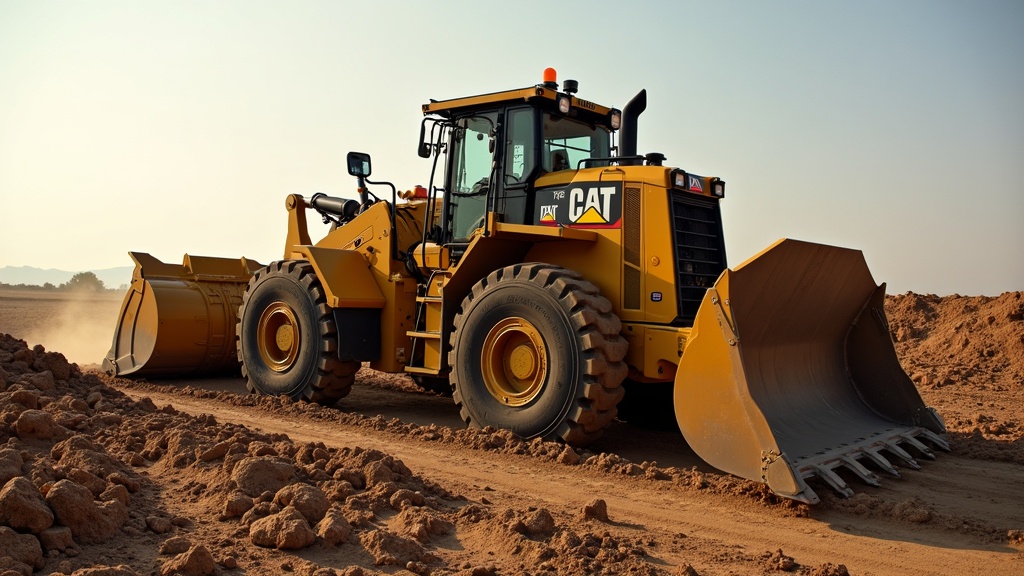
Discover how Caterpillar equipment drives modern mining and construction. Learn about market trends, fuel efficiency, and heavy machinery applications today.
Table of Contents
- Quick Summary
- Market Snapshot
- Introduction
- Construction and Infrastructure Growth
- Power Generation and Data Center Demand
- Mining Applications and Tunneling Operations
- Technological Advancements and Telematics
- Questions from Our Readers
- Equipment Comparison
- Practical Tips
- Final Thoughts
Quick Summary
Caterpillar equipment is a comprehensive range of heavy machinery designed for construction, mining, and energy applications. This overview covers recent market growth, technological advancements in telematics, and the critical role these machines play in large-scale infrastructure and tunneling projects worldwide.
Market Snapshot
- 38 percent year-over-year increase in construction equipment revenue (Equipment World, 2026)[1].
- 22 percent year-over-year increase in power and energy revenue (Equipment World, 2026)[1].
- 300 machines in the Cat product line (Caterpillar, 2026)[2].
- 146 billion US dollars projected size of global excavator market by 2034 (Gregory Poole, 2026)[3].
Introduction
Caterpillar equipment remains at the forefront of global infrastructure development, providing the muscle required for massive earthmoving and construction projects. As the world’s leading construction and mining equipment manufacturer (Statista, 2025)[4], the brand has built a reputation for durability and innovation. From sprawling urban development sites to deep underground tunneling operations, these machines form the backbone of modern industrial progress. Fleet managers and contractors rely on this yellow iron to meet tight deadlines and maintain high safety standards.
In this article, we will explore the latest market trends, the surge in power generation demand, specialized mining applications, and the technological advancements that continue to drive jobsite productivity. Whether you are evaluating Cat construction gear for a new project or analyzing industry shifts, understanding these dynamics is essential for modern fleet management.
Construction and Infrastructure Growth
The demand for robust machinery in the construction sector has surged, driven by global infrastructure investments and urban expansion. In the first quarter of 2026, the company reported a massive 38 percent year-over-year increase in construction equipment revenue (Equipment World, 2026)[1]. This growth highlights the enduring reliance on heavy-duty earthmovers for large-scale public works and commercial building projects. Excavators, bulldozers, and loaders are essential for site preparation, trenching, and material handling.
According to Jim Umpleby, Chairman and Chief Executive Officer, “Our team continues to execute our strategy for profitable growth, and we are benefiting from strong customer demand for Caterpillar equipment, particularly in infrastructure…” (Caterpillar Inc., 2026)[5]. This strong demand is not just limited to massive corporate projects. Mid-sized contractors also depend on these machines for their versatility and attachment compatibility. When managing remote jobsites, logistics coordinators often balance heavy diesel deliveries with standard support vehicle routing, occasionally relying on a quick gas station near me search for lighter fleet needs. The ability to scale operations efficiently while maintaining strict emissions control standards makes these machines indispensable. Furthermore, the extensive dealer network ensures that replacement parts and undercarriage components are always accessible, minimizing downtime and keeping projects on schedule.
Power Generation and Data Center Demand
Beyond traditional earthmoving, the energy sector has become a massive growth driver for the brand. The company saw a 22 percent year-over-year increase in power and energy revenue in early 2026 (Equipment World, 2026)[1]. This segment is heavily influenced by the rapid expansion of data centers, which require reliable backup power and continuous energy supplies. As artificial intelligence and cloud computing scale, the need for high-capacity diesel engines and generators has skyrocketed.
Power generation equipment now accounts for nearly 48 percent of the Power & Energy retail sales mix (Caterpillar Inc., 2026)[6]. These industrial generators provide the critical infrastructure needed to keep servers running during grid fluctuations. Brian Ossenbeck, Managing Director at JPMorgan, noted that the company is uniquely positioned in heavy equipment and backup power for data centers, making it a key beneficiary of AI-driven infrastructure investment (YouTube, 2026)[7]. The integration of advanced hydraulic systems and efficient cooling mechanisms in these power units ensures optimal performance even under continuous heavy loads. For facility managers, selecting the right power generation setup is just as critical as choosing the right earthmoving tools for a physical build. This diversification into energy solutions demonstrates how the brand extends its engineering prowess beyond the dirt and into the digital age.
Mining Applications and Tunneling Operations
In the mining and tunneling sectors, specialized Caterpillar machines are crucial for extracting resources and building subterranean infrastructure. Mining trucks and articulated loaders are engineered to handle extreme payloads in harsh, confined environments. Safety and efficiency are paramount underground, which is why operators prioritize machines with enhanced operator comfort and superior ventilation compatibility. Following strict Mine Safety and Health Administration guidelines is mandatory, and modern fleet telemetry helps ensure compliance.
Tunneling projects, in particular, require a synchronized approach between excavation and structural support. After the initial bore, backfill grouting is essential to stabilize the surrounding rock and prevent subsidence. To achieve the necessary slurry consistency, contractors often pair their heavy fleet with specialized colloidal grout mixing equipment in mining/tunneling, utilizing a comprehensive backfill grouting guide to optimize the process. This synergy between massive excavation tools and precision mixing technology ensures long-term structural integrity. Fleet managers monitor this complex telematics data with the same focused precision that fans use to track the masters golf tournament leaders during the spring season. By integrating real-time data from both the excavation and grouting phases, project managers can adjust workflows dynamically, ensuring that underground operations remain safe, efficient, and structurally sound.
Technological Advancements and Telematics
The integration of digital technology into heavy machinery has revolutionized how contractors manage their assets. Modern Cat machinery is equipped with sophisticated telematics systems that provide real-time insights into machine health, fuel consumption, and operator behavior. This data-driven approach significantly lowers the total cost of ownership by predicting maintenance needs before catastrophic failures occur. Gregory Poole, President of Gregory Poole Equipment Company, stated, “Contractors increasingly prefer Cat excavators because of their lower total cost of ownership, telematics capabilities, and the support network…” (Gregory Poole, 2026)[3].
These digital tools allow fleet managers to track idle times, optimize routing, and monitor hydraulic system pressures remotely. Fuel efficiency is another major benefit, as the software can suggest optimal engine RPMs for specific tasks, reducing unnecessary diesel consumption. Furthermore, automated grade control and GPS-guided attachments minimize rework, ensuring that earthmoving tasks are completed accurately on the first pass. The continuous evolution of these digital ecosystems means that heavy equipment is no longer just a mechanical asset; it is a connected node in a broader construction management network. This technological edge is a primary reason why the brand maintains its dominant global market share.
Questions from Our Readers
What makes Cat machinery so popular in construction?
Cat machinery is highly regarded for its durability, extensive dealer support network, and high resale value. Contractors appreciate the wide range of available attachments and the robust undercarriage designs that withstand abrasive environments. Additionally, the brand’s commitment to operator comfort reduces fatigue during long shifts, directly improving jobsite productivity and overall safety metrics.
How does telematics improve jobsite productivity?
Telematics systems collect real-time data on machine location, fuel usage, and engine health. Fleet managers use this information to eliminate idle time, schedule preventive maintenance, and optimize machine allocation across different work zones. By preventing unexpected breakdowns and ensuring machines are operating at peak efficiency, telematics directly reduces operational costs and keeps projects on strict timelines.
Are these machines suitable for underground tunneling?
Yes, the manufacturer produces specialized compact loaders, articulated trucks, and excavators specifically designed for underground mining and tunneling. These machines feature low-profile designs, enhanced exhaust filtration to maintain air quality, and reinforced cabs for falling object protection. They are engineered to navigate narrow drifts while delivering the high breakout forces required for hard rock excavation.
What is the total cost of ownership for heavy-duty earthmovers?
The total cost of ownership includes the initial purchase price, fuel consumption, routine maintenance, major repairs, and eventual resale value. While the upfront cost of premium yellow iron may be higher, the superior fuel efficiency, extended component lifespans, and higher residual values typically result in a lower cost per hour over the machine’s lifecycle compared to budget alternatives.
Equipment Comparison
Selecting the right machinery depends heavily on the specific requirements of the project. While all Caterpillar equipment is built for heavy-duty performance, different machine classes excel in distinct applications. Understanding these differences helps contractors allocate their capital efficiently and maximize jobsite productivity.
| Machine Type | Primary Application | Key Advantage |
|---|---|---|
| Excavators | Trenching and deep digging | High breakout force and 360-degree rotation |
| Bulldozers | Grading and pushing material | Superior traction and heavy blade capacity |
| Wheel Loaders | Loading trucks and material handling | High mobility and rapid cycle times |
| Mining Trucks | Hauling massive payloads | Extreme durability and high-volume transport |
Practical Tips
Maximizing the lifespan and efficiency of your fleet requires proactive management and adherence to best practices. First, implement a strict daily inspection routine. Operators should check fluid levels, inspect the undercarriage for excessive wear, and clear debris from the engine compartment before starting the shift. Catching minor hydraulic leaks early prevents major system failures down the line.
Second, invest in comprehensive operator training. Skilled operators who understand how to use automated grade control and optimize engine RPMs can significantly improve fuel efficiency and reduce unnecessary wear on attachments and cutting edges.
Third, utilize the built-in telematics to schedule predictive maintenance. Rather than relying solely on calendar-based servicing, use engine hour data and fault code alerts to service machines exactly when needed. Finally, ensure that all machines are matched with the correct ground engaging tools. Using the wrong bucket teeth or ripper shanks for a specific soil type forces the engine to work harder, increasing fuel consumption and accelerating component fatigue. By combining skilled operation with data-driven maintenance, contractors can dramatically lower their operating costs.
Final Thoughts on Caterpillar Equipment
The landscape of heavy machinery continues to evolve, driven by digital innovation and shifting global demands. From powering massive data centers to excavating deep underground tunnels, Caterpillar equipment remains an indispensable asset for modern industry. By leveraging advanced telematics and prioritizing preventive maintenance, fleet managers can ensure their operations remain profitable and efficient. For companies looking to improve their digital footprint and reach more contractors in this competitive sector, exploring B2B SEO strategies for industrial brands can provide a significant competitive advantage in today’s digital marketplace.
Sources & Citations
- Caterpillar Reports Big Construction Equipment Revenue Gains. Equipment World.
https://www.equipmentworld.com/market-pulse/article/15824336/caterpillar-reports-big-construction-equipment-revenue-gains - Equipment. Caterpillar.
https://www.cat.com/en_US/products/new/equipment.html - The Bestselling Cat® Excavators and Sales Trends for 2026. Gregory Poole Equipment Company.
https://www.gregorypoole.com/topselling-excavator-sales-trends/ - Caterpillar. Statista.
https://www.statista.com/topics/1090/caterpillar/ - Caterpillar First-Quarter 2026 Results. Caterpillar Inc.
https://www.caterpillar.com/en/news/financial/2026/caterpillar-first-quarter-2026-results.html - Retail Statistics. Caterpillar Inc.
https://investors.caterpillar.com/financials/retail-statistics/default.aspx - Caterpillar Soars as Data Centers Lift Power Equipment Sales. YouTube.
https://www.youtube.com/watch?v=DgLcYAczsR0