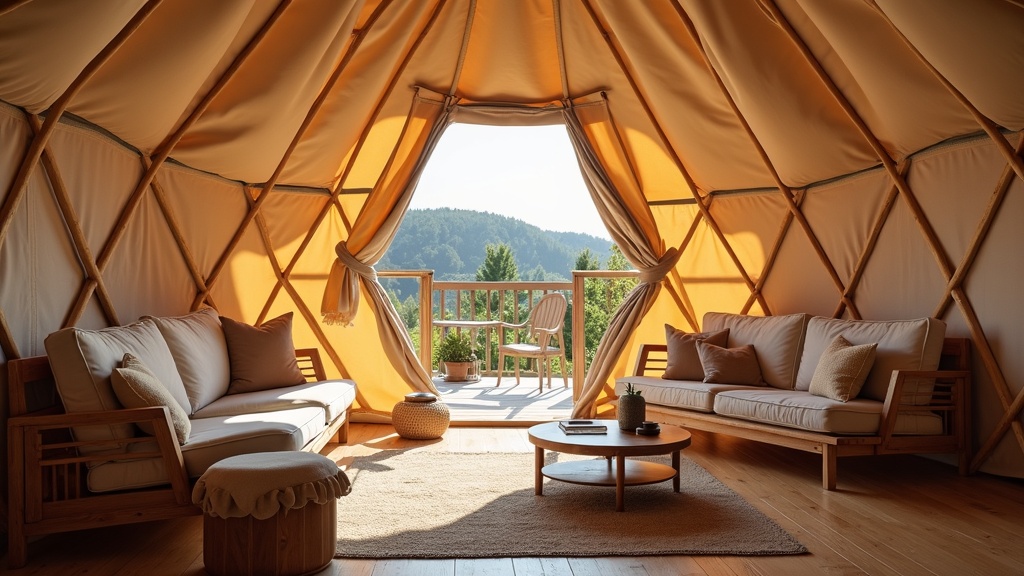
Professional yurt camping and glamping offers a unique blend of outdoor adventure and modern comfort, making it a rapidly growing sector in the hospitality industry. This guide explores the key aspects of setting up and operating a successful yurt-based glamping business, from understanding market trends to practical operational tips.
Table of Contents
- The Rise of Yurt Glamping
- Setting Up a Professional Yurt Camp
- Operations and Guest Experience
- Marketing Your Yurt Glamping Business
- Frequently Asked Questions
- Yurt Glamping vs. Other Accommodations
- Practical Tips for Success
- Final Thoughts on Professional Yurt Camping and Glamping
Article Snapshot: Professional yurt camping and glamping is a booming segment of outdoor hospitality. This article covers market trends, setup considerations, operational best practices, and actionable marketing strategies for anyone looking to enter or grow in the yurt glamping industry.
Market Snapshot
- Glamping accommodations, including luxury yurts, now match the preference share of traditional lodges at 29% among US campers (Camping Business Europe, 2025)[1].
- The North America glamping market is projected to grow at an 11.7% CAGR through 2026 (Grand View Research, 2026)[2].
- Luxury yurts can command a 40-60% rate premium over conventional hotel rooms, with nightly rates ranging from $250 to $1,200 (MarketIntelO, 2033)[3].
The Rise of Yurt Glamping
Professional yurt camping and glamping has evolved from a niche offering into a mainstream accommodation choice. The concept combines the rustic appeal of traditional tent camping with the comforts of a hotel, attracting a diverse range of guests from adventure seekers to luxury travelers. The market data supports this growth: among over 550 US campers surveyed, glamping accommodations such as luxury yurts, geodesic domes, and treehouses accounted for a share of choices that reached the same level as traditional lodges (Camping Business Europe, 2025)[1].
This shift is driven by several factors. Travelers increasingly seek unique, experiential stays that offer a connection to nature without sacrificing comfort. The glamping accommodation preference share increased by five percentage points compared with 2024 (Camping Business Europe, 2025)[1], indicating a clear upward trajectory. For operators, this presents a significant opportunity to capitalize on a growing market segment.
Key Market Drivers
Several trends are fueling the expansion of the yurt glamping sector. The North America glamping market is projected to grow at a compound annual growth rate over the forecast period of 11.7% (Grand View Research, 2026)[2]. This growth is underpinned by a broader shift in consumer preferences towards sustainable and experiential travel. Yurt market commentary highlights that experiential and sustainable travel is a primary growth driver (MarketIntelO, 2033)[3].
Furthermore, luxury camping trends in 2025 emphasize sustainability, technology, and personalized luxury (Accio, 2025)[4]. This means successful yurt glamping operations must integrate eco-friendly practices, offer modern amenities like reliable Wi-Fi and climate control, and provide bespoke guest experiences. Operators who can effectively blend these elements are best positioned to capture market share.
Setting Up a Professional Yurt Camp
Launching a professional yurt camping and glamping operation requires careful planning and investment. The choice of yurt structure is foundational. Modern yurts designed for commercial use are built with durable materials, often featuring a lattice wall system, insulated fabric or canvas, and a central dome for natural light. They can range from basic, single-room units to multi-room luxury suites with en-suite bathrooms and kitchenettes.
Location is equally critical. A successful yurt camp should be situated in a scenic, accessible area that offers privacy and a sense of immersion in nature. Proximity to tourist attractions, national parks, or outdoor recreation activities can significantly boost occupancy rates. Operators must also navigate local zoning laws, building codes, and environmental regulations, which can vary widely by region.
Infrastructure and Amenities
The level of amenities provided will define the guest experience and pricing strategy. At a minimum, a professional yurt should include a comfortable bed, heating and cooling, lighting, and secure storage. Luxury upgrades can include private decks with hot tubs, outdoor fire pits, full bathrooms with rainfall showers, and gourmet kitchen facilities. The investment in infrastructure is substantial but directly correlates with the nightly rate you can command. Luxury resort operators reportedly charge nightly rates for yurts in a premium range of $250-1,200 (MarketIntelO, 2033)[3].
Beyond individual units, a successful camp requires common facilities such as a reception area, dining hall or restaurant, restrooms and shower blocks for budget-conscious options, and staff accommodation. Water, sewage, and electrical systems must be designed for off-grid or semi-off-grid living, often incorporating solar panels, rainwater collection, and composting toilets to align with sustainability trends. The same report claims yurt accommodations can command a rate premium relative to conventional rooms of 40-60% (MarketIntelO, 2033)[3], justifying the upfront investment.
Operations and Guest Experience
Operating a professional yurt camping and glamping site demands a focus on guest experience and operational efficiency. The guest journey begins with booking and continues through check-in, the stay, and departure. A seamless online booking system, clear communication about what to bring and what is provided, and a warm welcome are essential for setting the right tone.
Staff training is paramount. Employees should be knowledgeable about the local area, the yurt features, and sustainability practices. They should be trained to handle everything from maintenance requests to emergency situations. Offering guided activities such as hiking, stargazing, or local cultural experiences can enhance the value proposition and generate additional revenue.
Revenue and Profitability
The financial potential of a yurt glamping operation is significant. The report states commercial operators can generate annual revenue per yurt unit through premium nightly rates and ancillary services of $45,000-95,000 (MarketIntelO, 2033)[3]. In high-demand destinations, some properties are reported to generate higher annual revenue per yurt unit of $120,000-250,000 (MarketIntelO, 2033)[3]. This high earning potential is why many hospitality entrepreneurs are turning to this model.
Managing costs is equally important. Key expenses include property lease or purchase, yurt purchase and installation, ongoing maintenance, utilities, staffing, marketing, and insurance. Operators should aim for high occupancy rates, especially during peak seasons, and develop strategies for off-peak periods such as retreats, workshops, or corporate events.
Marketing Your Yurt Glamping Business
Effective marketing is crucial for attracting guests to your professional yurt camping and glamping site. A strong online presence is non-negotiable. This includes a professional website with high-quality photography and virtual tours, active social media accounts showcasing the unique experience, and listings on major booking platforms like Airbnb, Booking.com, and specialized glamping directories.
Content marketing can also drive organic traffic. Blog posts about local attractions, packing guides for glamping, and behind-the-scenes stories about the yurt setup can engage potential guests. Partnering with local businesses, travel bloggers, and influencers can extend your reach. Emphasizing the unique aspects of your property, such as its sustainable design or ultra-luxury amenities, helps differentiate your offering in a competitive market.
Search engine optimization (SEO) is vital for visibility. Your website should be optimized for keywords like “luxury yurt rental” and “glamping near [your location].” Building backlinks from reputable travel and outdoor sites can improve your search rankings.
Building a Brand
Your brand should reflect the core values of your operation: adventure, comfort, sustainability, and luxury. A consistent visual identity, tone of voice, and guest experience across all touchpoints builds recognition and trust. Encourage guest reviews and testimonials, as positive word-of-mouth is one of the most powerful marketing tools in the hospitality industry. Consider creating a loyalty program for repeat guests or offering referral discounts.
Important Questions About Professional Yurt Camping and Glamping
What is the best type of yurt for a professional glamping operation?
The best yurt for professional use is a modern, insulated structure designed for year-round occupancy. Look for yurts made with heavy-duty canvas or PVC, a robust lattice frame, and insulation that can handle both heat and cold. Many commercial operators choose yurts with optional additions like windows, skylights, and attached bathroom pods. The size should match your target market, from cozy 20-foot units for couples to larger 30-foot or multi-room yurts for families or groups.
How much does it cost to start a yurt glamping business?
Startup costs vary widely based on location, number of units, and level of luxury. A single luxury yurt unit with full amenities can cost between $50,000 and $150,000 to purchase and install. A small camp of 5-10 yurts might require an investment of $500,000 to $2 million or more, including land, infrastructure, furnishings, and initial marketing. However, the potential revenue is high, with some units generating $45,000 to $250,000 annually (MarketIntelO, 2033)[3].
What permits and regulations are needed for a yurt camp?
Permitting requirements depend on your local jurisdiction. You will likely need a business license, building permits for any permanent structures, health department approvals for water and sewage systems, and possibly a special use permit for commercial lodging. Zoning laws are critical; some areas may classify yurts as temporary structures, while others may require them to meet full building codes. It is essential to consult with a local attorney or planning department early in the process to avoid costly delays.
How can I make my yurt glamping business more sustainable?
Sustainability is a key trend in luxury camping (Accio, 2025)[4]. You can incorporate eco-friendly practices by using solar panels for electricity, installing rainwater harvesting systems, and using composting toilets. Choose sustainable materials for yurt construction and furnishings, such as reclaimed wood and organic cotton linens. Offer guests reusable water bottles and provide recycling and composting bins. You can also partner with local farms for food and offer educational programs about the local ecosystem.
Yurt Glamping vs. Other Accommodations
When considering entering the outdoor hospitality market, it is helpful to compare yurt glamping with other popular accommodation types. Each option has distinct advantages and challenges regarding cost, guest experience, and operational complexity. The table below summarizes the key differences.
| Feature | Yurt Glamping | Traditional Tent Camping | Luxury Cabin | Geodesic Dome |
|---|---|---|---|---|
| Comfort Level | High (bed, heating, A/C) | Low (sleeping bag, ground) | Very High (full amenities) | High (similar to yurt) |
| Setup Cost | Medium to High | Very Low | Very High | Medium to High |
| Unique Appeal | High (circular, nomadic feel) | Low (common) | Medium (traditional) | High (futuristic design) |
| Durability | High | Low | Very High | High |
| Year-Round Use | Yes (with insulation) | Seasonal | Yes | Yes |
Yurts offer a compelling middle ground: they provide a high level of comfort and a unique aesthetic at a lower cost than building a permanent cabin, while being far more comfortable and durable than a tent. The circular shape and felted or insulated walls also create a distinct, cozy atmosphere that guests love. This balance makes professional yurt camping and glamping a particularly attractive option for new and expanding operators.
Practical Tips for Success
To thrive in the professional yurt camping and glamping market, consider these actionable tips based on industry best practices and market data:
- Invest in quality infrastructure: The initial investment in durable yurts, reliable utilities, and comfortable furnishings pays off in higher guest satisfaction and lower long-term maintenance costs. The potential revenue of $45,000-$95,000 per unit annually justifies this expense (MarketIntelO, 2033)[3].
- Focus on the guest experience: From the booking process to check-out, every interaction should be seamless and memorable. Offer curated experiences like guided hikes, farm-to-table dinners, or stargazing sessions to differentiate your property.
- Embrace sustainability: The market data clearly shows that sustainability is a core trend (Accio, 2025)[4]. Implementing green practices is not just ethical but also a powerful marketing tool that appeals to a growing segment of eco-conscious travelers.
- Leverage technology: Use a robust property management system (PMS) for bookings, payments, and guest communication. Smart home features like keyless entry and smart thermostats can enhance convenience and energy efficiency.
- Market aggressively: Build a strong brand and online presence. Use high-quality photos and videos, collect and showcase reviews, and optimize your website for search engines.
For more about Professional backfill grouting in mining, see find professional backfill grouting in mining resources.
Final Thoughts on Professional Yurt Camping and Glamping
Professional yurt camping and glamping represents a powerful intersection of the growing demand for unique travel experiences and the timeless appeal of the outdoors. With a market growing at an 11.7% CAGR and a clear consumer preference for glamping options, the opportunity is substantial (Grand View Research, 2026)[2]. Success requires a strategic approach to setup, operations, and marketing, but the potential returns – both financial and in terms of guest satisfaction – are significant.
Useful Resources
- 2025 State of Outdoor Hospitality Report in the US: Glamping Matches Traditional Camping. Camping Business Europe.
https://www.campingbusiness.eu/en/2025-state-of-outdoor-hospitality-report-in-the-us-glamping-matches-traditional-camping/ - Glamping Market Size & Trends. Grand View Research.
https://www.grandviewresearch.com/industry-analysis/glamping-market - Yurt Market Analysis. MarketIntelO.
https://marketintelo.com/report/yurt-market - Glamping Out: Luxury Camping Trends. Accio.
https://www.accio.com/business/glamping_out_luxury_camping_trends