Learn how the fresh water otter serves as a vital indicator of river health and ecosystem balance in this informative article about aquatic mammal conservation.
Table of Contents
- Introduction
- The Ecological Role of Fresh Water Otters
- Physical Adaptations for an Aquatic Life
- Conservation Status and Recovery Efforts
- Human Impact and Coexistence Strategies
- Frequently Asked Questions
- Comparison: Fresh Water Otters vs. Sea Otters
- Practical Tips for Supporting Otter Conservation
- Final Thoughts on Fresh Water Otters
- Further Reading
A fresh water otter is a semi-aquatic mammal belonging to the Mustelidae family that inhabits rivers, lakes, and wetlands across five continents. These playful predators serve as a critical bioindicator species, signaling the overall health of freshwater ecosystems through their presence and behavior.
Quick Stats: Fresh Water Otter
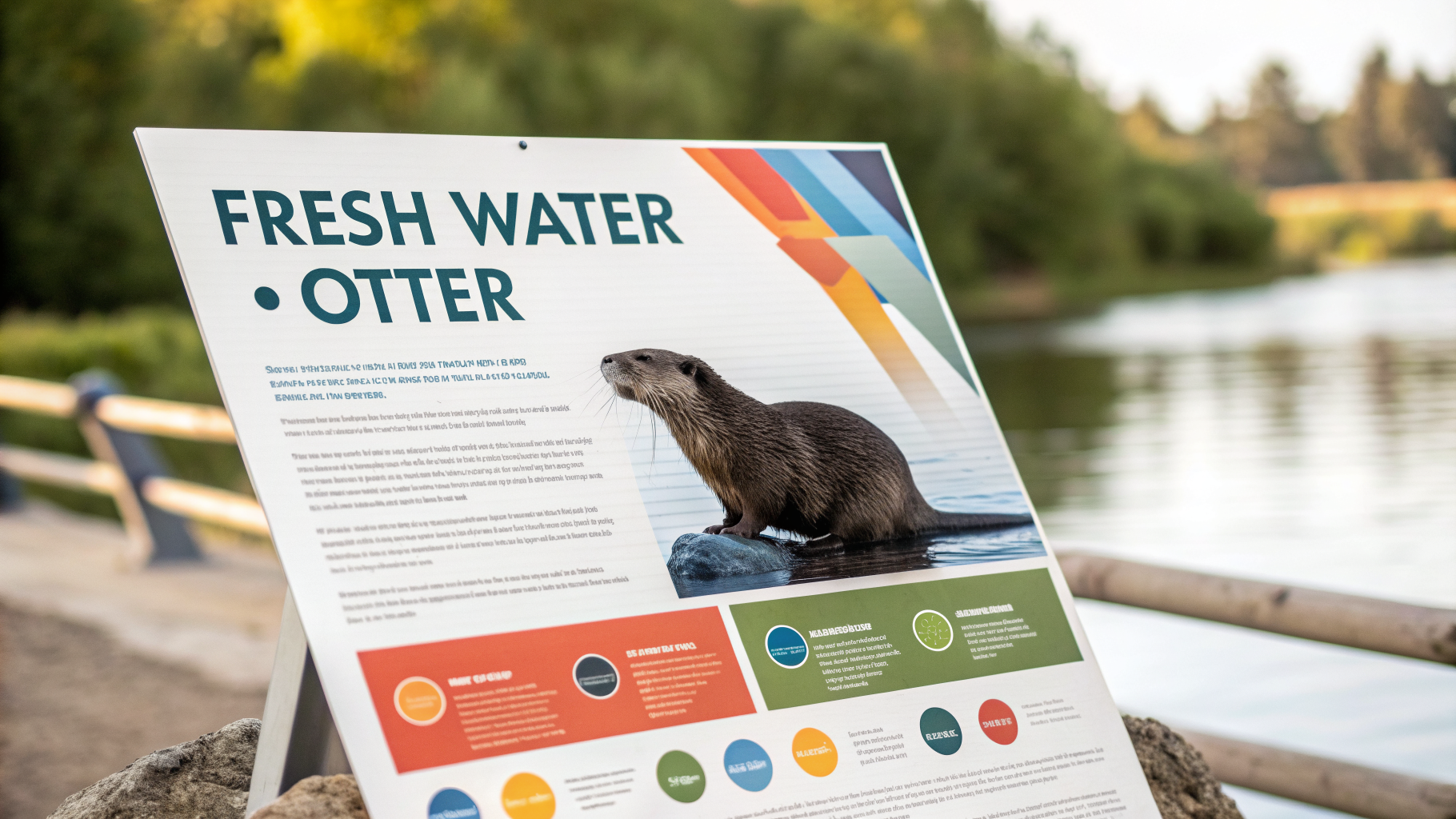
- Body length (including tail): 0.9–1.2 meters (National Wildlife Federation, 2024)[1]
- Weight range: 5–14 kilograms (National Wildlife Federation, 2024)[1]
- Maximum dive endurance: 8 minutes underwater (National Forest Foundation, 2024)[2]
- Global species count: 13 recognized otter species (National Geographic, 2024)[3]
Introduction
The fresh water otter is one of nature’s most charismatic aquatic mammals, yet its significance extends far beyond its playful appearance. Found across five continents, these sleek predators occupy a unique ecological niche that links fish populations, invertebrates, and riparian vegetation. As Dr. Sebastián Jiménez, Freshwater Ecologist at the World Wildlife Fund, explains, “River otters occupy an ecological niche that links fish populations, invertebrates, and riparian vegetation, making them a key species for understanding how freshwater food webs respond to human pressures.”[4] This article explores the biology, ecological importance, and conservation challenges facing fresh water otters, providing a comprehensive overview for anyone interested in wildlife and river health.
The Ecological Role of Fresh Water Otters
Fresh water otters are apex predators in their aquatic environments, meaning they sit at the top of the food chain with no natural predators of their own. This position gives them an outsized influence on the structure and function of freshwater ecosystems. By preying on fish, crustaceans, and amphibians, otters help regulate prey populations and prevent any single species from dominating the community. Their feeding habits also create opportunities for scavengers and decomposers, contributing to nutrient cycling within river systems.
Bioindicator Species
Perhaps the most important ecological role of the fresh water otter is its function as a bioindicator species. Because otters require clean water, abundant prey, and undisturbed riparian habitat, their presence signals a healthy ecosystem. Dr. Nicole Duplaix, Chair of the IUCN Otter Specialist Group, notes, “Otters are top predators in freshwater ecosystems, and their presence is a strong indicator of clean water and healthy habitat connectivity.”[5] Conversely, the absence of otters from a historically occupied watershed often indicates pollution, habitat degradation, or overfishing. Conservation biologists routinely monitor otter populations as a cost-effective way to assess the overall health of river systems. For example, a study tracking otter returns in Massachusetts found that their reappearance correlated with improved water quality and fish community structure. Dr. Heather Johnson of the U.S. Geological Survey confirms, “Where we see river otters returning to historically occupied watersheds, we almost always find concurrent improvements in water quality and fish community structure.”[6]
Food Web Dynamics
Fresh water otters influence food web dynamics in multiple ways. By preying on invasive species like rusty crayfish and Asian carp, they can help control populations that threaten native biodiversity. Their foraging activities also disturb sediment and create microhabitats for smaller organisms. Additionally, otter scat (feces) deposits nutrients like nitrogen and phosphorus along riverbanks, fertilizing riparian vegetation. This nutrient subsidy supports plant growth, which in turn stabilizes banks and provides habitat for insects and birds. The interconnectedness of these relationships underscores why fresh water otters are considered a keystone species in many freshwater systems.
Physical Adaptations for an Aquatic Life
Fresh water otters possess a suite of physical adaptations that make them supremely suited to life in and around water. Their streamlined bodies, webbed feet, and powerful tails allow them to navigate rivers and lakes with remarkable agility. An adult North American river otter typically measures 0.9–1.2 meters in length, including the tail, and weighs between 5 and 14 kilograms (National Wildlife Federation, 2024).[1] These dimensions vary among the 13 recognized otter species globally (National Geographic, 2024).[3]
Swimming and Diving
Otters are powerful swimmers, capable of reaching speeds up to 7 miles per hour (National Forest Foundation, 2024).[2] They use their webbed hind feet for propulsion and their long, muscular tails for steering. When diving for prey, otters can hold their breath for up to 8 minutes (National Forest Foundation, 2024),[2] allowing them to pursue fish and crayfish in underwater crevices. Their dense fur traps a layer of air that provides insulation and buoyancy, while their ears and nostrils close automatically when submerged. These adaptations make the fresh water otter one of the most efficient aquatic hunters in freshwater environments.
Senses and Foraging
Fresh water otters rely on keen senses to locate prey. Their whiskers, or vibrissae, are extremely sensitive to water movements, allowing them to detect fish in murky water. Their eyes are adapted for underwater vision, with a nictitating membrane (a third eyelid) that protects the eye while maintaining visibility. Otters typically forage in shallow waters, using their agile paws to capture prey. They are opportunistic feeders, consuming whatever is most abundant in their habitat, including fish, crayfish, frogs, turtles, and occasionally birds or small mammals. This dietary flexibility helps them adapt to seasonal changes in prey availability.
Conservation Status and Recovery Efforts
The conservation status of fresh water otters varies by species and region. Some populations, like the North American river otter, have rebounded significantly following decades of conservation efforts. In Massachusetts, for example, river otters have returned to many rivers and ponds after investments in water quality improvement. Jim Hodgson, Chief of Wildlife at the Massachusetts Division of Fisheries and Wildlife, observes, “As river otters have returned to many of Massachusetts’ rivers and ponds, they’ve become a visible symbol of decades of investment in cleaning up our freshwater systems.”[7] However, other species, such as the giant otter of South America and the hairy-nosed otter of Southeast Asia, remain endangered due to habitat loss, poaching, and pollution.
Threats to Fresh Water Otters
The primary threats facing fresh water otters globally include habitat destruction, water pollution, overfishing of prey species, and climate change. Dams and water diversions fragment river habitats, isolating otter populations and reducing genetic diversity. Agricultural runoff containing pesticides and fertilizers contaminates waterways, directly poisoning otters or reducing their prey availability. Climate change exacerbates these pressures by altering seasonal flow patterns and increasing the frequency of droughts and floods. Dr. Lisa M. Angeloni of Colorado State University warns, “Freshwater otters rely on undisturbed river banks, intact wetlands, and predictable seasonal flows, so their conservation is tightly linked to broader river management and climate adaptation strategies.”[8]
Success Stories and Recovery Programs
Despite these challenges, several otter conservation programs have achieved notable successes. Reintroduction efforts in the United States, Europe, and Asia have restored otter populations to areas where they were extirpated. For example, the Eurasian otter has recolonized many rivers in the United Kingdom following improvements in water quality and the banning of persistent organic pollutants. These successes demonstrate that targeted conservation actions – such as habitat restoration, pollution control, and legal protection – can reverse declines. The fresh water otter’s role as a flagship species helps generate public support for broader freshwater conservation initiatives.
Human Impact and Coexistence Strategies
Human activities have profoundly shaped the distribution and abundance of fresh water otters. Urban development, agriculture, and industrial pollution have degraded otter habitats across much of their range. However, otters are remarkably adaptable and can thrive in human-modified landscapes if basic habitat requirements are met. For instance, otters have been observed using culverts, canals, and even urban parks as travel corridors and foraging grounds. The key to coexistence lies in maintaining water quality, preserving riparian buffers, and minimizing disturbance near den sites.
Community Involvement in Otter Conservation
Local communities play a crucial role in otter conservation. Citizen science programs that monitor otter signs – such as tracks, scat, and slides – provide valuable data for researchers. In many regions, landowners are encouraged to maintain vegetated buffers along waterways, which reduce erosion and filter pollutants while providing otter habitat. Educational initiatives that highlight the ecological importance of fresh water otters can foster stewardship and reduce conflicts, such as predation on fish farms.
Policy and Legislation
Legal protections have been instrumental in otter recovery. In the United States, the Clean Water Act and the Endangered Species Act have helped reduce pollution and protect critical habitats. Internationally, the Convention on International Trade in Endangered Species (CITES) regulates trade in otter pelts and products. However, enforcement remains uneven, particularly in developing countries where otters are still hunted for their fur or killed as pests. Strengthening these protections and integrating otter conservation into broader water management frameworks is essential for long-term survival. A useful external resource on this topic is the IUCN’s research on otters as river health indicators.
Important Questions About Fresh Water Otter
What does a fresh water otter eat?
Fresh water otters are carnivorous predators with a diet that primarily consists of fish, but they also consume crayfish, frogs, turtles, and occasionally birds or small mammals. Their feeding habits vary by season and location, as they are opportunistic foragers. In some regions, otters have been observed preying on invasive species, which can help control non-native populations. Their high metabolic rate requires them to eat approximately 15-25% of their body weight daily, making them active and frequent hunters.
Where do fresh water otters live?
Fresh water otters inhabit rivers, lakes, streams, wetlands, and coastal estuaries across five continents, including North America, South America, Europe, Asia, and Africa. They are absent from Australia and Antarctica. Their distribution depends on the availability of clean water, abundant prey, and suitable den sites along riverbanks. In North America, the North American river otter is found from Alaska to Florida, while in South America, the giant otter inhabits the Amazon basin. European otters range across much of Europe and parts of North Africa.
Are fresh water otters endangered?
The conservation status of fresh water otters varies by species. The North American river otter is listed as Least Concern by the IUCN, with stable or increasing populations in many regions. However, several other species are threatened. The giant otter of South America is classified as Endangered, while the hairy-nosed otter of Southeast Asia is also Endangered. The Eurasian otter is Near Threatened. Major threats include habitat loss, water pollution, overfishing of prey, and poaching for their fur. Conservation efforts have helped some populations recover.
How long do fresh water otters live?
In the wild, fresh water otters typically live 8-12 years, though some individuals may reach 15 years. In captivity, with veterinary care and a controlled diet, they can live up to 20 years or more. Lifespan is influenced by factors such as food availability, predation risk, disease, and human-related threats like vehicle collisions or entanglement in fishing gear. Juvenile mortality is high, with many pups not surviving their first year. Adult otters face fewer natural predators but remain vulnerable to habitat degradation.
Comparison: Fresh Water Otters vs. Sea Otters
While both fresh water otters and sea otters belong to the Mustelidae family, they occupy distinct ecological niches and exhibit significant differences in behavior, physiology, and habitat. Understanding these differences helps clarify the unique role of fresh water otters in river ecosystems. The table below summarizes key comparisons.
| Characteristic | Fresh Water Otter | Sea Otter |
|---|---|---|
| Primary habitat | Rivers, lakes, wetlands | Coastal marine environments |
| Average weight | 10–30 pounds (U.S. Department of the Interior, 2024)[9] | 30–100 pounds |
| Swimming speed | Up to 7 mph (National Forest Foundation, 2024)[2] | Up to 5 mph |
| Dive duration | Up to 8 minutes (National Forest Foundation, 2024)[2] | Up to 5 minutes |
| Social structure | Solitary or small family groups | Rafts of 10–100 individuals |
| Conservation status | Varies by species (Least Concern to Endangered) | Threatened in some regions |
Practical Tips for Supporting Otter Conservation
Individuals can contribute to fresh water otter conservation through simple actions that benefit aquatic ecosystems. First, reduce water pollution by properly disposing of chemicals, medications, and household waste. Avoid using pesticides and fertilizers near waterways, and consider planting native vegetation along riverbanks to filter runoff. Second, support local conservation organizations that monitor otter populations and restore riparian habitats. Participating in citizen science projects, such as reporting otter sightings to wildlife agencies, provides valuable data for researchers. Third, practice responsible recreation by keeping dogs leashed near otter habitats, avoiding disturbance of den sites, and never feeding wild otters. Finally, advocate for policies that protect water quality and preserve wetland ecosystems at local and national levels.
For more about Fresh water otter, see learn more about fresh water otter.
Final Thoughts on Fresh Water Otters
The fresh water otter stands as a living barometer for the health of our rivers and lakes. Its presence signals clean water, abundant prey, and intact habitat – resources that benefit not only wildlife but also human communities. As we face growing pressures from climate change and development, protecting otter habitats becomes an investment in the resilience of freshwater ecosystems. By understanding the ecological role of these remarkable animals and taking action to conserve them, we ensure that future generations can witness their playful antics and benefit from the clean water they represent.
Further Reading
- North American River Otter. National Wildlife Federation, 2024.
https://www.nwf.org/Educational-Resources/Wildlife-Guide/Mammals/North-American-River-Otter - Seven Quick Facts About River Otters. National Forest Foundation, 2024.
https://www.nationalforests.org/article/seven-quick-facts-about-river-otters - Otters. National Geographic, 2024.
https://www.nationalgeographic.com/animals/mammals/facts/otters-1 - Freshwater Otters and the Functioning of River Ecosystems. World Wildlife Fund, 2025.
https://www.worldwildlife.org/stories/freshwater-otters-and-the-functioning-of-river-ecosystems - Why Otters Matter: Freshwater Predators as Indicators of River Health. IUCN, 2024.
https://www.iucn.org/news/species/2024-11-15/why-otters-matter-freshwater-predators-indicators-river-health - Monitoring River Otters as Bioindicators of Freshwater Recovery. U.S. Geological Survey, 2024.
https://www.usgs.gov/news/monitoring-river-otters-bioindicators-freshwater-recovery - Learn About River Otters in Massachusetts. Massachusetts Division of Fisheries and Wildlife, 2024.
https://www.mass.gov/info-details/learn-about-river-otters - Freshwater Mammals Under Climate Change: The Case of River Otters. Colorado State University, 2025.
https://warnercnr.colostate.edu/news/freshwater-mammals-under-climate-change-the-case-of-river-otters - 12 Facts About Otters for Sea Otter Awareness Week. U.S. Department of the Interior, 2024.
https://www.doi.gov/blog/12-facts-about-otters-sea-otter-awareness-week